
We created this guide for engineers looking to transition into the product management role this year. Before we dive too deep, below is a list of quick things you can try this week to get your journey started. A few quick things you can do right now include:
- Learning about the basics and history of product management
- Asking practicing PMs about their day-to-day role and what they do
- Assessing your own strengths and weaknesses
- Getting involved in online product management communities
- Learning more about the skills what you will need to master

Product Management Basics
Product Management is an essential function in an organization. Product managers are mostly found in companies that build technology or products for internal or customer use. Until recently, it was seen as a role that could come under the brand management, marketing or engineering umbrella, but now increasingly seen as one of the most critical roles in the development and production of a new product.
What Do Product Managers Do?
The position entails a multifunctional role within an organization. Product managers are considered the “CEO for products” and they are responsible for strategizing, roadmapping, and defining the features of their products.

Skills Needed to Transition into Product Management
When you get into the product management role you desire, you will be responsible for ensuring that your product is designed, developed, and maintained efficiently. For that, you need to master these three skills:
Product Roadmapping
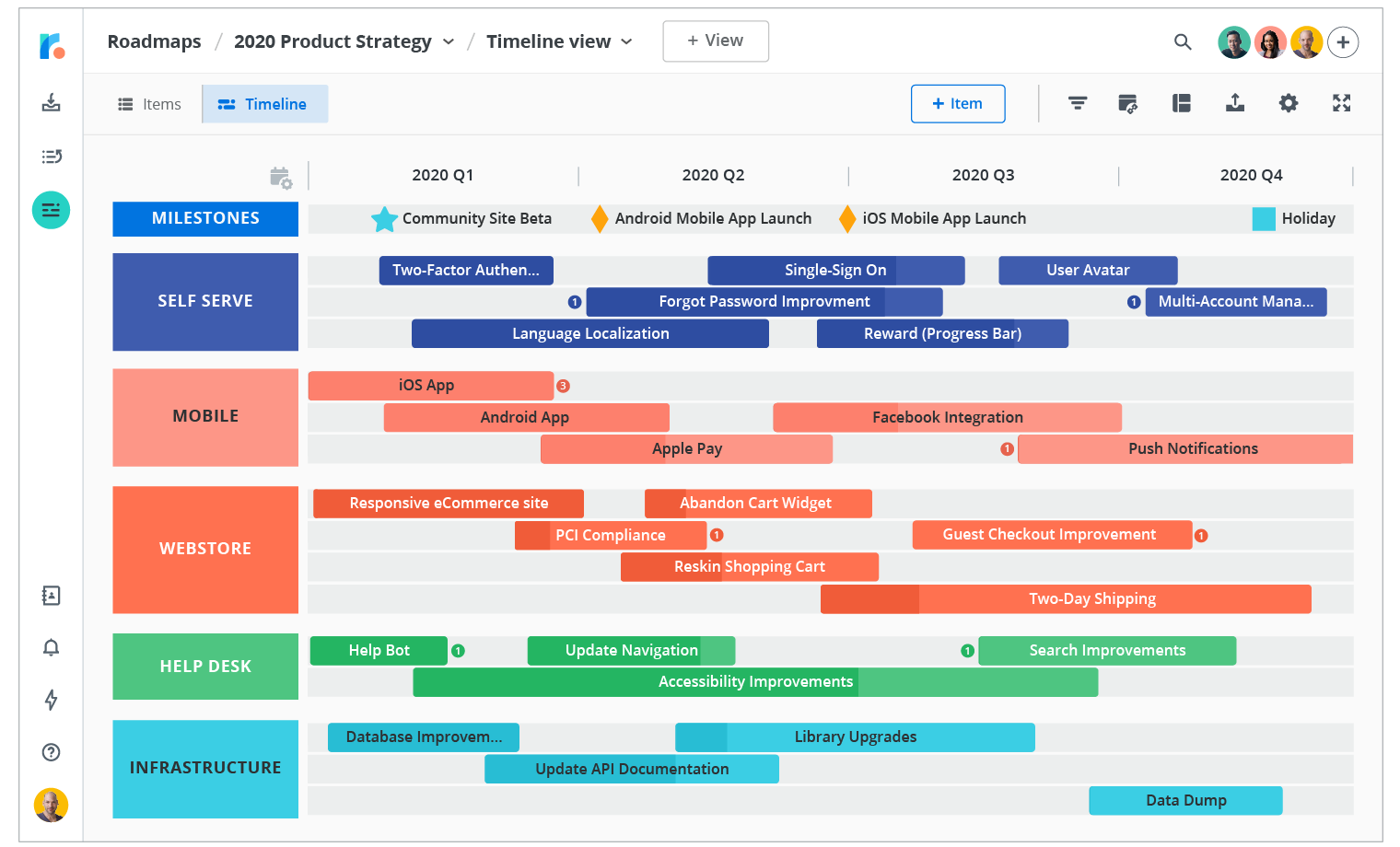
Product roadmapping is an important part of a product strategy, and one you should be adept in. With this skill, you can form or outline the vision for your product, and the direction the company will take in relation to the product. The roadmap also shows the expected progress of the product over time – from its launch until the time it is removed from store shelves.
The roadmap shows where exactly you are now, a rough idea of where you are heading next, and the ongoing research for incorporating ideas for needed modifications on the roadmap from what it is now and the possible changes of courses of action for the future.
Thus, the roadmap helps product managers to work out their high-level strategy, and how to implement that strategy over a given period of time.
Product Strategy
A product strategy is a plan of action, the purpose of which is to make sure the odds for success is high. You make a plan of action for the product while maintaining to keep those actions aligned with the policies and overall strategy of your company.
In order to properly strategize, consider the challenges ahead, and lay down guidelines for selling your product in line with your company’s brand positioning.
There are at least 2 challenges your product is expected to face:
- Counter-challenge from competitors
Once your product is launched, competitors will monitor its performance, sales, popularity and weaknesses. If it becomes popular and gets a large chunk of market share, competitors will look into improving their own products, selling at a lower price, providing better after sales services and warranty, etc.
- Customer Acceptance
Ultimately, customer acceptance is the deciding factor. They will either reject it or love your product. If they fall in love with it, they will be willing to part with their money, buy your other products and services, refer your brands to family and friends, and make strong endorsements in social media.
For more tried and tested techniques on building a strong and highly-effective product strategy, click here.
Product Metrics
Product metrics are quantifiable data points you need to track and analyze at every stage of your product’s life cycle. These metrics gauge the level of success your product is achieving.
Examples include:
- Conversion rate
- Churn rate
- Monthly revenue
- Customer engagement and satisfaction (NPS)
You will need to define the metrics that you will be using, make sure that these metrics are the most important and relevant ones for sizing up the success of your product.
Resources for Skill Development
There are lots of learning resources you can tap into when deciding to move into product management from a technical engineering role. Here are a few resources to make your transition smoother.
Books to Read
Books with rich information and knowledge on the matter include:
- The Lean Playbook by Dan Olsen
- Measure What Matters by John Doerr
- The Lean Startup by Eric Ries
- Cracking the PM Interview by Gayle Laakmann McDowell
Blogs to Follow
Bookmark the following blogs:
- Amplitude Blog – It focuses on building better products and product analytics.
- Product Talk - Teresa Torres helps you make better product decisions.
- Intercom Blog - Insights, tips and lessons learned about building great products.
- SVPG Insights Blog – They have excellent expertise on process, communicating product strategy, data science, risk, etc.
Courses to Take
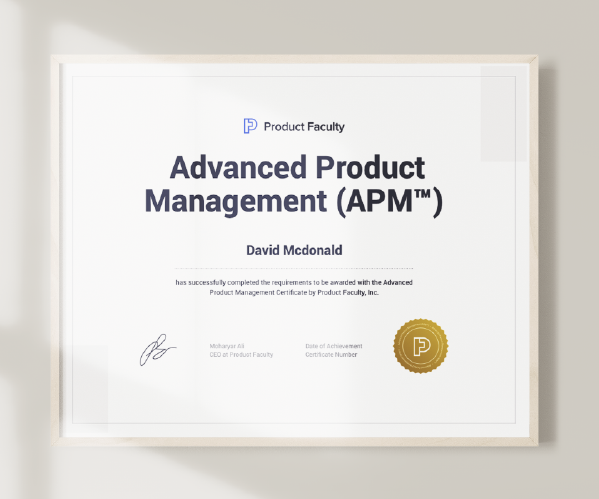
Courses, boot camps and certifications are the fastest way for engineers looking to transition into product management to gain advanced knowledge, learn from vetted professionals, and build their networks. Getting certified also means you will standout from other candidates applying for similar roles.
Product Faculty is the leading product management course for advanced training. With industry leading instructors and a community of thousands of product leaders, Product Faculty 7-week program can speed-up your transition and help you get hired faster.
Inquire about our competitive pricing and payment options by clicking here.
Twitter Accounts to Follow
There are so many PM experts you can follow on Twitter:
- Pivotal Labs (Paul Jackson) – Read the recently uploaded topic on “why context matters in building products” by Jackson.
- Marty Cagan - Partner at Silicon Valley Product Group, former product leader at eBay, Netscape and HP
- Teresa Torres - Learn about a structured and sustainable approach to continuous discovery
- Oji Udezue - VP of Product & Design @Calendly, Angel Investor and founding partner @KernelFund
Thank you for reading our guide on how to transition from engineering into product management. We hope this information about what product management is, what skills you need, and where to learn will help you achieve your goal of breaking into the field.


